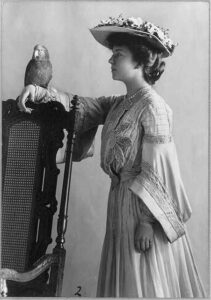
Library of Congress. no. LC-USZ62-71727. https://www.loc.gov/item/2003663418/.
The Princess of the White House - Alice Roosevelt’s Rise to Celebrity
Alice Roosevelt charmed and astonished the American nation from the first moment that she stepped into the limelight in 1902, a little while after her father, Theodore Roosevelt, took over the presidential office of the United States of America. The First Daughter of the land attracted the curiosity of the public, and, basking in the publicity, her life as an ordinary high society girl transformed while her renown quickly extended to the international stage. Alice’s spirited and headstrong character livened up the social rounds of the Washington and New York elite, and her eccentric pastimes were the talk of the town, delighting journalists and filling up the pages of newspapers. Naturally, Town Topics as “The Journal of Society” covered Alice’s doings and voiced its own opinions on her.
This project traces significant events in Alice Roosevelt’s life during the years 1902-1906 and contrasts the way contemporary newspapers wrote about her journey of fame. Noteworthy accounts from Town Topics are set side by side with entries from The New York Times to examine this inimitable making of a celebrity.
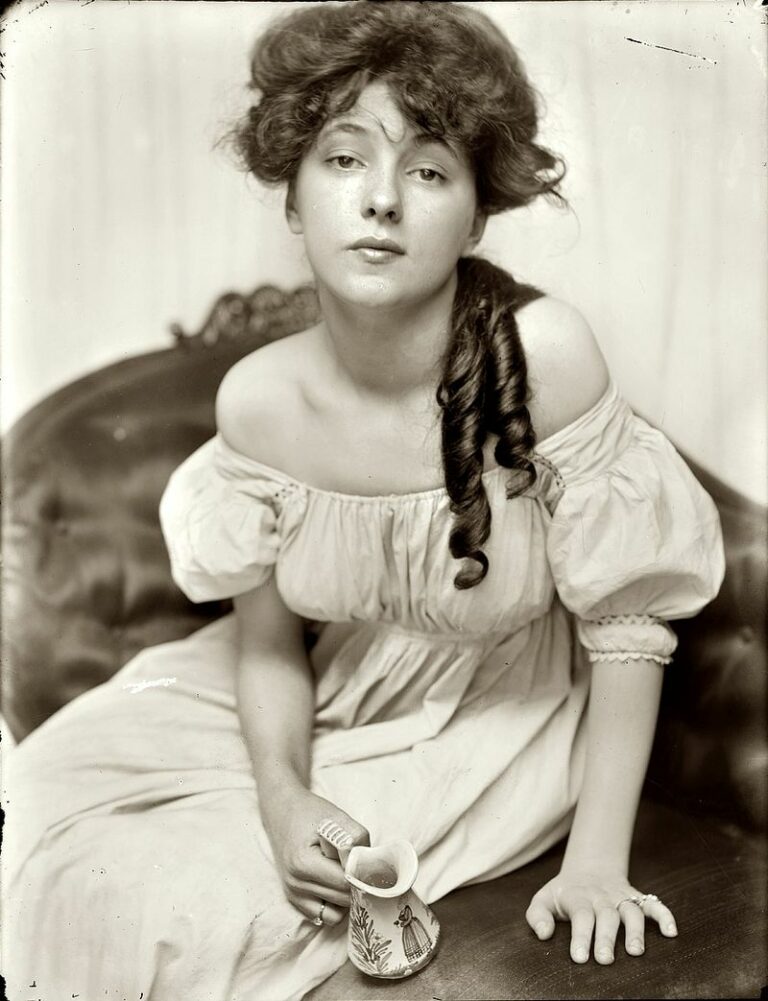
Framing Evelyn Nesbit: Gossip, Gender, and Scandal in TownTopics
This digital project explores the media representation of Evelyn Nesbit, an artist’s model, performer, and central figure in one of the most sensational scandals of the early 20th century, as portrayed in the American society magazine Town Topics.
Spanning the years 1905 to 1922, my project analyzes how Nesbit’s public image evolved before, during, and after the murder trial of her husband, Harry K. Thaw. Through Town Topics’ gossip columns, she was cast in a range of roles: the scandalous bride, the tragic victim, the ambitious performer, and ultimately a fading symbol of notoriety. With my digital timeline it highlights key articles, quotes, and shifts in tone to show how gender, class, and morality were negotiated through scandal journalism.
This project invites readers to critically examine how early celebrity culture in the United States of America used gossip not only to entertain but also to enforce societal norms and how one woman’s story was told and retold to reflect those anxieties.