The topic focuses on women engaging on etiquette guides in public spaces. In the Gilded Age, etiquette was a subject that could decide if someone was included in High Society. If well-behaved, invitations and strong connections could have followed.
The project is in form of a guideline that includes behavior rules for public spaces and a short quiz which allows the user to actively learn about the topic. The quiz consists of situations from Town Topics. Educational content and an active learning approach are the main aspects here. It provides a glimpse into women’s etiquette in High Society in New York between 1870 and 1900.
“Woman is peculiarly the organizer and refiner of elegant society. Men will seek the essential principles, but all the nicety and elegance of polished manners must and do come through woman. […]. Worthy men strive to please and honor noble, virtuous, amiable women.” (Houghton, 15)
Guideline Etiquettes
Women had to follow certain rules to be successfully integrated into society. Those rules in public spaces were of immense importance.
On the Street
Image 3: Tichi, Cecelia. What Would Mrs. Astor Do?: The Essential Guide to the Manners and Mores of the Gilded Age. p. 74, NYU Press, 2018. https://doi.org/10.18574/nyu/9781479827367.001.0001.
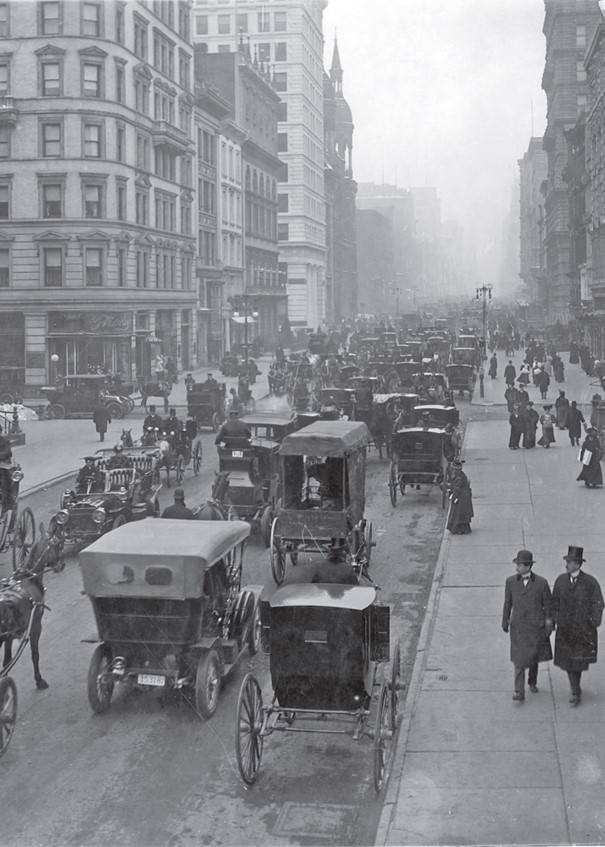
Street manners were one of the common forms of public etiquette a woman had to follow:
A woman did not form acquaintances with gentlemen and did not court their attention. She moved through public spaces quietly and modestly, without attracting unnecessary attention. A lady recognized acquaintances with a courteous bow and greeted friends with words. She maintained her composure and grace by ignoring anything that would compromise her dignity or elegance—even if something inappropriate, rude, vulgar, or undignified was happening around her in public. A lady and a gentleman did not walk arm-in-arm during the daytime—only a married couple or very close relations like a parent and child might do so. In the evening, a woman could accept a man’s offer of his arm if it ensured her safety or comfort. A young woman was expected to stay indoors after dark. A woman should not ask where another person was going or where they were coming from.
Public Poise
A woman should not sit cross-legged or sideways on a chair or distract herself by fidgeting with objects. A lady should never force her way through a crowd or attempt to claim a seat that was clearly already occupied. Gossip should not be spread by a well-mannered woman.
Being loud, wild, or drawing too much attention to oneself was seen as improper. Instead, a lady was encouraged to be refined, calm, and sociable. A woman should not use foul language or drink in public. If a lady behaved properly and was mocked by others, it did not matter, because a woman who upheld this behavior was rewarded with long-lasting respect.
Image 4: Tichi, Cecelia. What Would Mrs. Astor Do?: The Essential Guide to the Manners and Mores of the Gilded Age. p. 143, NYU Press, 2018. https://doi.org/10.18574/nyu/9781479827367.001.0001.
Image 5: Tichi, Cecelia. What Would Mrs. Astor Do?: The Essential Guide to the Manners and Mores of the Gilded Age. p. 44, NYU Press, 2018. https://doi.org/10.18574/nyu/9781479827367.001.0001.
Shopping and the Ladies’ Mile
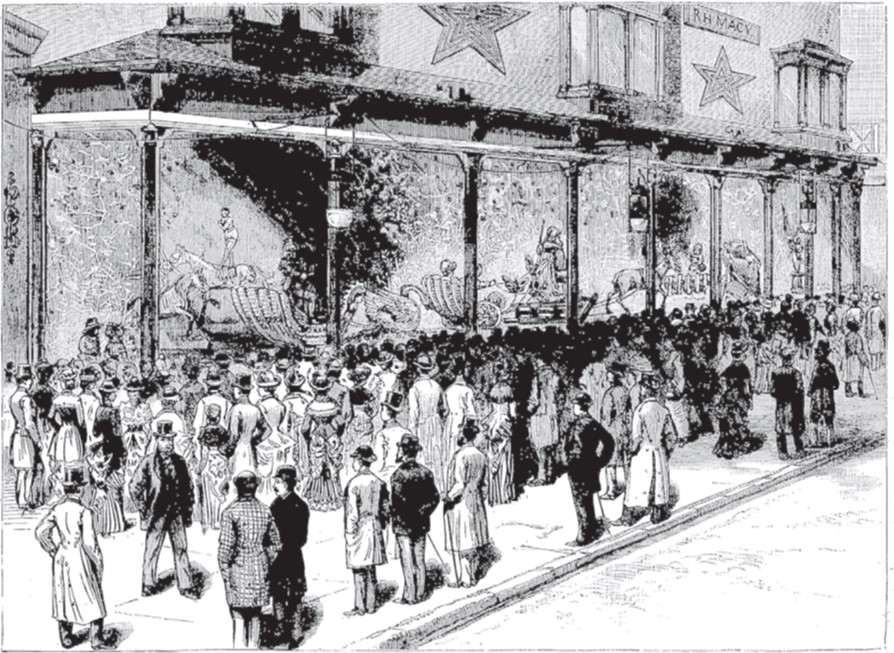
By the 1870s, shopping had become a public activity for women, especially along the “Ladies’ Mile” between Sixth Avenue and Broadway, from Fifteenth to Twenty-Third Streets. A woman often arrived by chauffeur and stepped onto the sidewalks in front of the impressive department stores. For many women, shopping offered a sense of independence. Without the pressure of impatient male companions, a lady could move through public space at her own pace. Department stores provided comfortable areas to rest, such as mezzanine balconies with views over the busy main floor.
Image 6: Tichi, Cecelia. What Would Mrs. Astor Do?: The Essential Guide to the Manners and Mores of the Gilded Age. p. 154, NYU Press, 2018. https://doi.org/10.18574/nyu/9781479827367.001.0001.
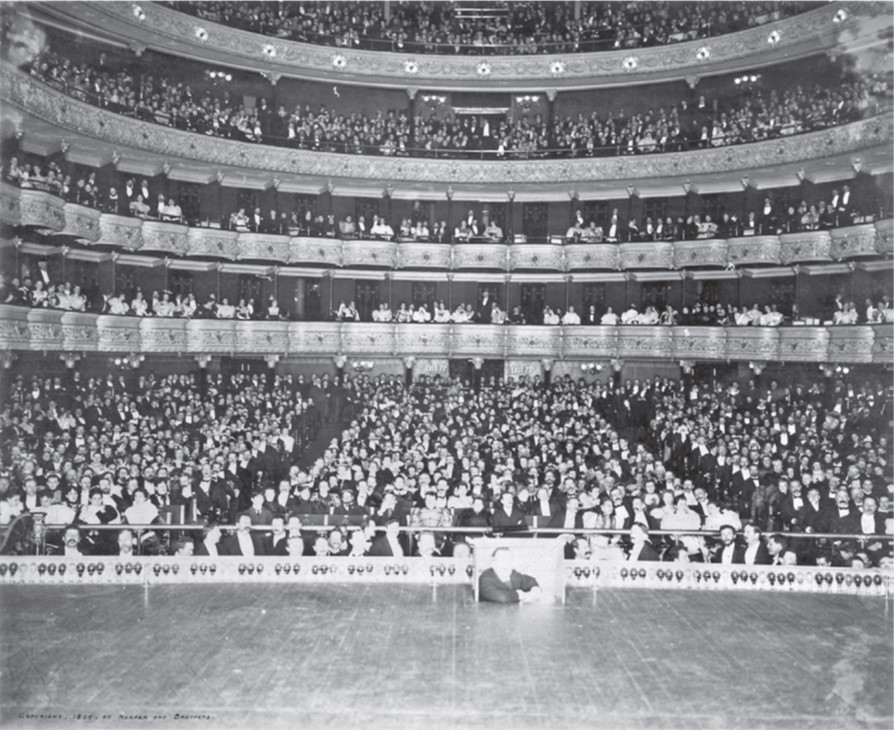
Theatre
A lady accompanied by a gentleman should not take the aisle seat. Whispering or chatting during the show was not permitted. The proper way to show you’re enjoying it was by clapping at the right time. Getting up and leaving while the performance was still going on was considered rude.
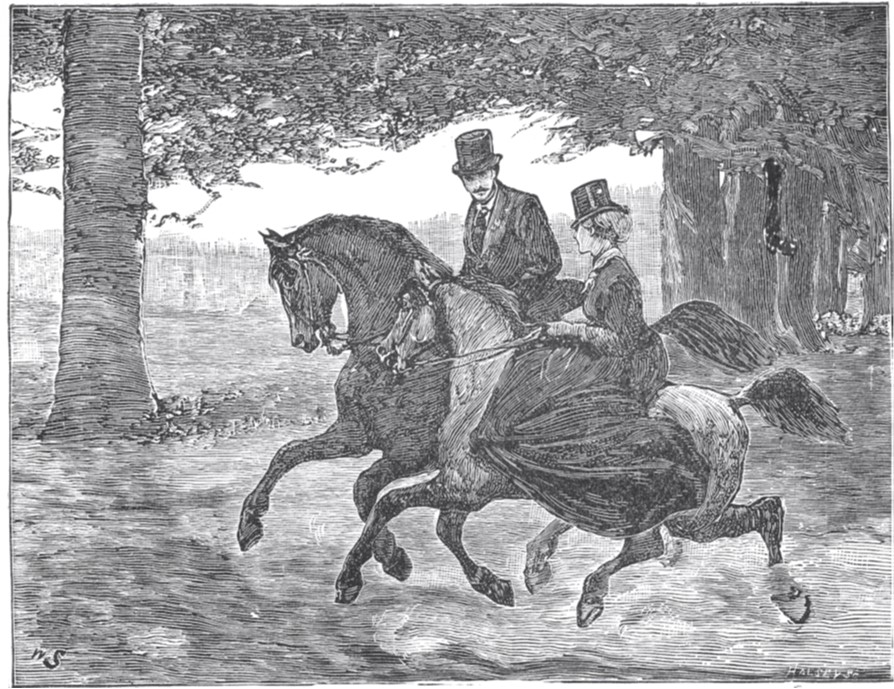
Sporting Events
A lady should feel free and at ease when playing games or engaging in sports. There should not be strict etiquette rules that make people feel uncomfortable or make their actions seem awkward or their speech hesitant while actively playing
Image 7: Tichi, Cecelia. What Would Mrs. Astor Do?: The Essential Guide to the Manners and Mores of the Gilded Age. p. 191, NYU Press, 2018. https://doi.org/10.18574/nyu/9781479827367.001.0001.
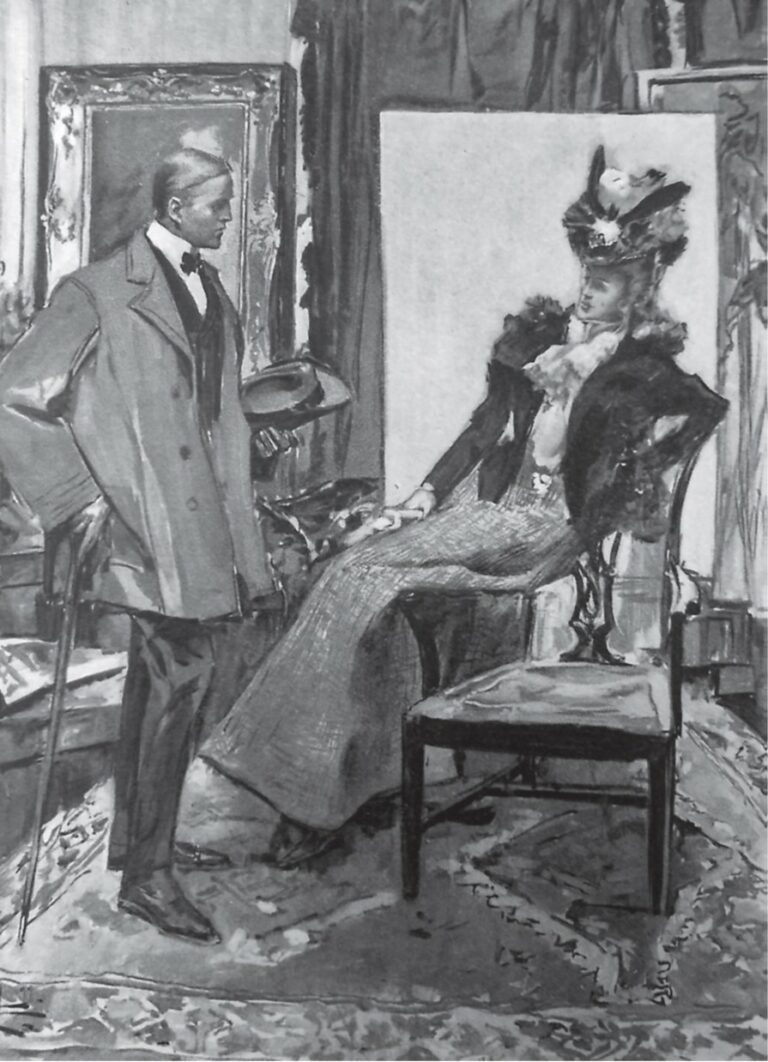
Retail Sales Floors
A lady should treat the retail floor just like the street—with respect and self-control. A woman should not take up too much of the clerk’s time or hold up other customers. If a lady saw a friend while someone was in the middle of a purchase, she shouldn’t interrupt. A woman was expected to say “please” to the clerk and not try to bargain over the price. If a lady was not satisfied with the price, style, or quality, she should politely step away.
Image 8: Tichi, Cecelia. What Would Mrs. Astor Do?: The Essential Guide to the Manners and Mores of the Gilded Age. p. 54, NYU Press, 2018. https://doi.org/10.18574/nyu/9781479827367.001.0001.
Image 9: Tichi, Cecelia. What Would Mrs. Astor Do?: The Essential Guide to the Manners and Mores of the Gilded Age. p. 146, NYU Press, 2018. https://doi.org/10.18574/nyu/9781479827367.001.0001.
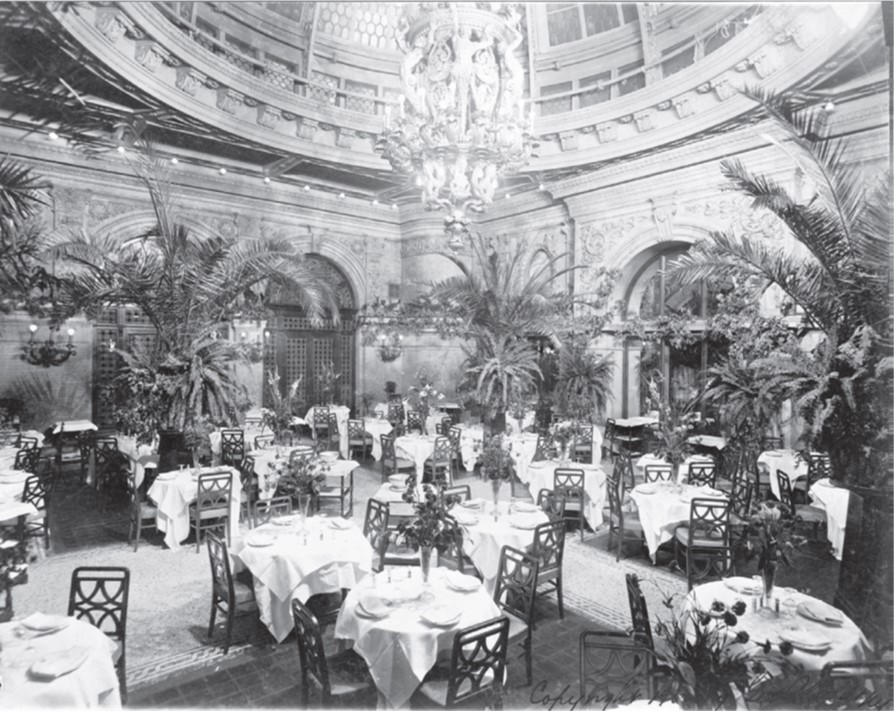
Tea Rooms and Luncheons
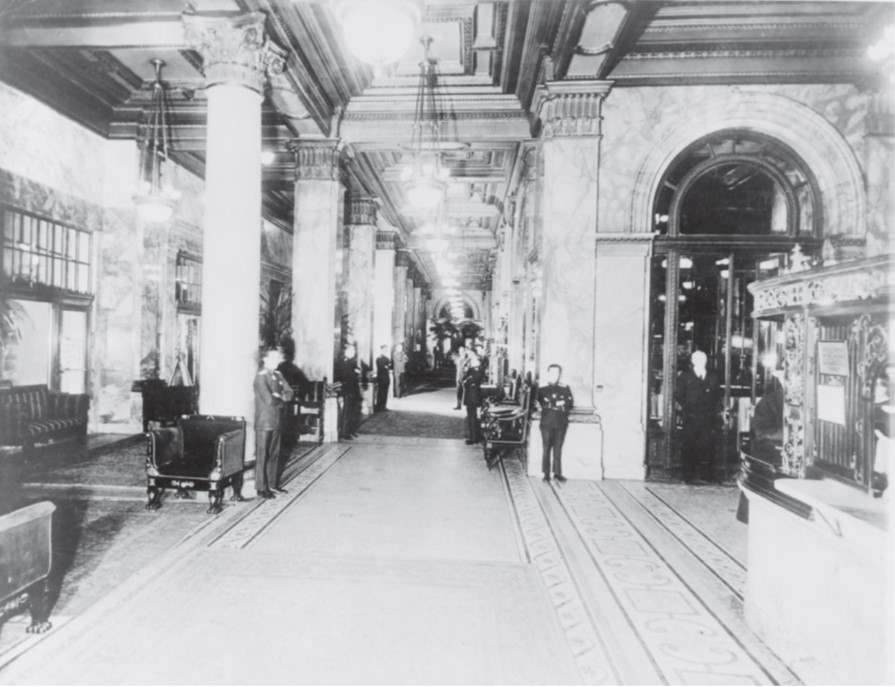
A woman was not supposed to be seen dining alone at a restaurant or hotel dining room. Other eating areas were established in the 1890s. In the meantime, chocolates from a nearby confectionery could help a lady manage her hunger while shopping. A woman was expected to drink a non-alcoholic beverage during the day, such as tea or cocoa.
Ready to test your knowledge with a quiz?
Here you go!
Situation 1 - Receiving a Gift in Public
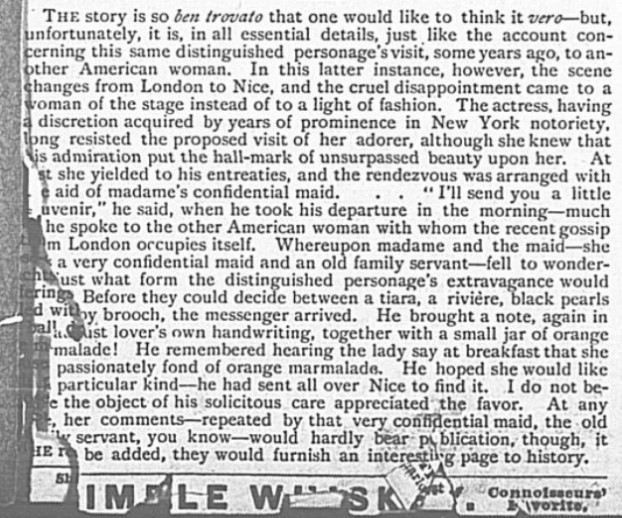
A prominent American stage actress is staying at a hotel in Nice, France. Her admirer promised her on their last encounter to “send a little souvenir.” The little gift arrives by hands of a messenger. The woman’s confidential maid and the old family servant debate whether the promised item might be a tiara, a rivière, or at the very least a pair of black pearl earrings. The small jar of marmalade came with a note from her admirer. He remembered hearing her say that she is passionately fond of orange marmalade.
What is the right way for the American actress to respond in that situation?
A) Accept the gift with discreet composure and express your gratitude softly.
This is the right answer. Women should be modest by keeping their emotions in line and accept a gift with kind-hearted gratitude.
B) Express disappointment and imply the souvenir fell short of expectations.
This is not the right answer. It is not appreciated tending to gossip. Talking negative about other people especially around staff lead to further gossip.
C) Enthusiastically praise the sender in public.
This is not the right way. Since the woman is a prominent actress, a grand expression would drag more attention and lead into a scandal.
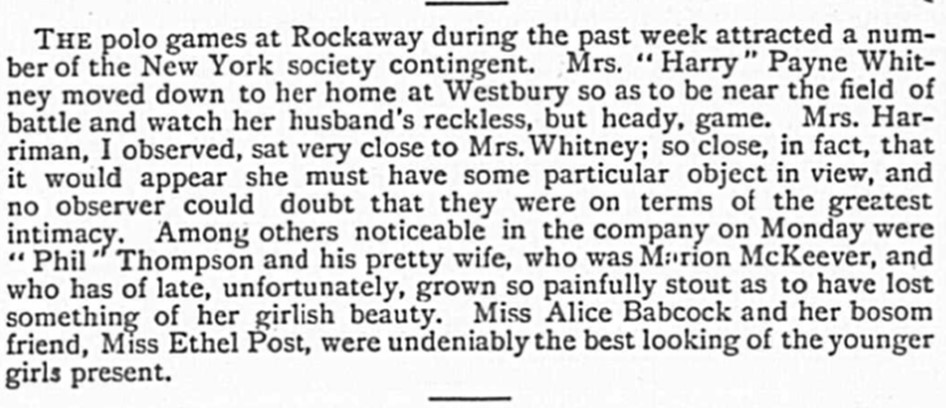
At the Rockaway polo games, several prominent society women are present. Mrs. Whitney attends to support her husband’s team, while Mrs. Harriman is sitting very close to her. Other members of society are observing them and speculate about an inappropriate intimacy.
How should a woman in this environment behave?
A) Sit closely with whomever she pleases. Proximity should not concern a woman of status.
This is not how a woman of High Society should behave. Status is upheld through proper conduct and it matters how close you sit at someone especially when the person is married.
B) Say something back. A woman of status doesn’t have to stay quiet when others gossip. She can speak up and let them know it’s not their business.
A well-behaved lady should not get in touch with gossipers.
C) Maintain physical distance, engage politely, and be mindful of observers.
You picked the right answer. This way you avoid scrutiny and remain a modest presence.