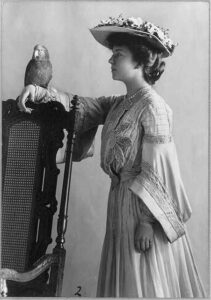
Library of Congress. no. LC-USZ62-71727. https://www.loc.gov/item/2003663418/.
The Princess of the White House - Alice Roosevelt’s Rise to Celebrity
Alice Roosevelt charmed and astonished the American nation from the first moment that she stepped into the limelight in 1902, a little while after her father, Theodore Roosevelt, took over the presidential office of the United States of America. The First Daughter of the land attracted the curiosity of the public, and, basking in the publicity, her life as an ordinary high society girl transformed while her renown quickly extended to the international stage. Alice’s spirited and headstrong character livened up the social rounds of the Washington and New York elite, and her eccentric pastimes were the talk of the town, delighting journalists and filling up the pages of newspapers. Naturally, Town Topics as “The Journal of Society” covered Alice’s doings and voiced its own opinions on her.
This project traces significant events in Alice Roosevelt’s life during the years 1902-1906 and contrasts the way contemporary newspapers wrote about her journey of fame. Noteworthy accounts from Town Topics are set side by side with entries from The New York Times to examine this inimitable making of a celebrity.
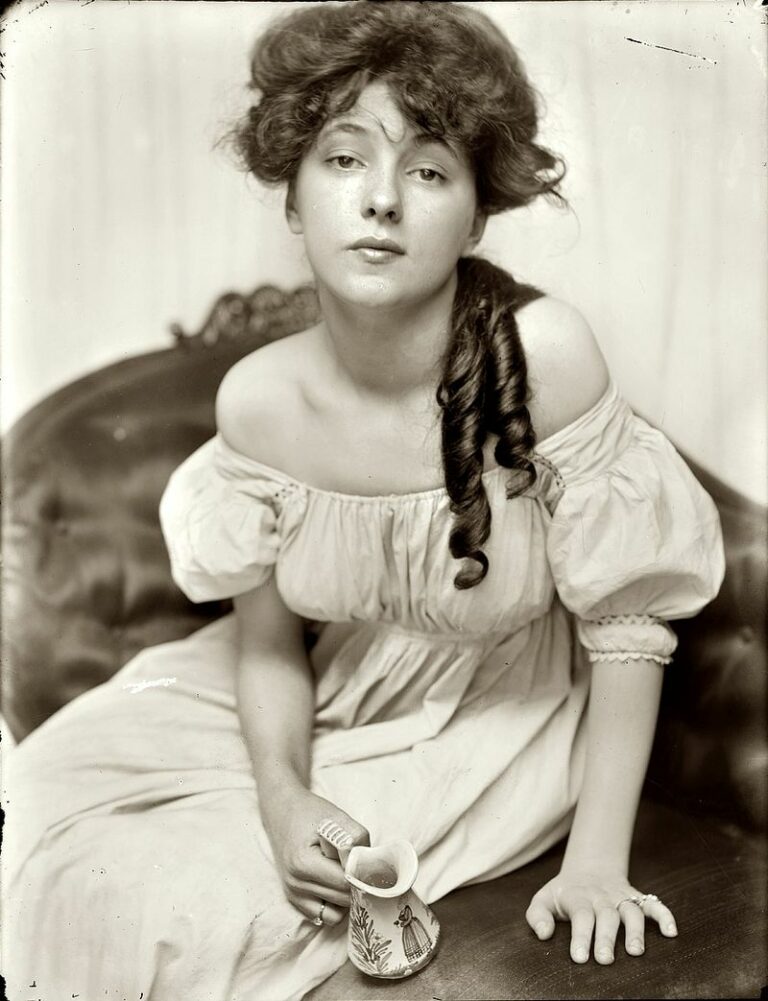
Framing Evelyn Nesbit: Gossip, Gender, and Scandal in TownTopics
This digital project explores the media representation of Evelyn Nesbit, an artist’s model, performer, and central figure in one of the most sensational scandals of the early 20th century, as portrayed in the American society magazine Town Topics.
Spanning the years 1905 to 1922, my project analyzes how Nesbit’s public image evolved before, during, and after the murder trial of her husband, Harry K. Thaw. Through Town Topics’ gossip columns, she was cast in a range of roles: the scandalous bride, the tragic victim, the ambitious performer, and ultimately a fading symbol of notoriety. With my digital timeline it highlights key articles, quotes, and shifts in tone to show how gender, class, and morality were negotiated through scandal journalism.
This project invites readers to critically examine how early celebrity culture in the United States of America used gossip not only to entertain but also to enforce societal norms and how one woman’s story was told and retold to reflect those anxieties.
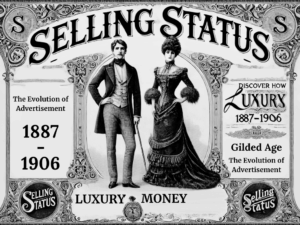
Around 1900, advertising developed into more than informing about products and their potential uses and effects—it was a display of identity, class, and power. In Town Topics, ads reflected and shaped ideals of luxury, gender, and status. This project explores how these advertisements changed between 1887 and 1906 in content, placement, and volume. Drawing on Veblen’s concept of conspicuous consumption, it analyzes how wealth was performed on the page. By digitizing one issue per year, the project makes visible how advertising mirrored and reinforced the social order of the Gilded Age.
The Socialite’s Map—Ads and Travel Reports at the Onset of WWI
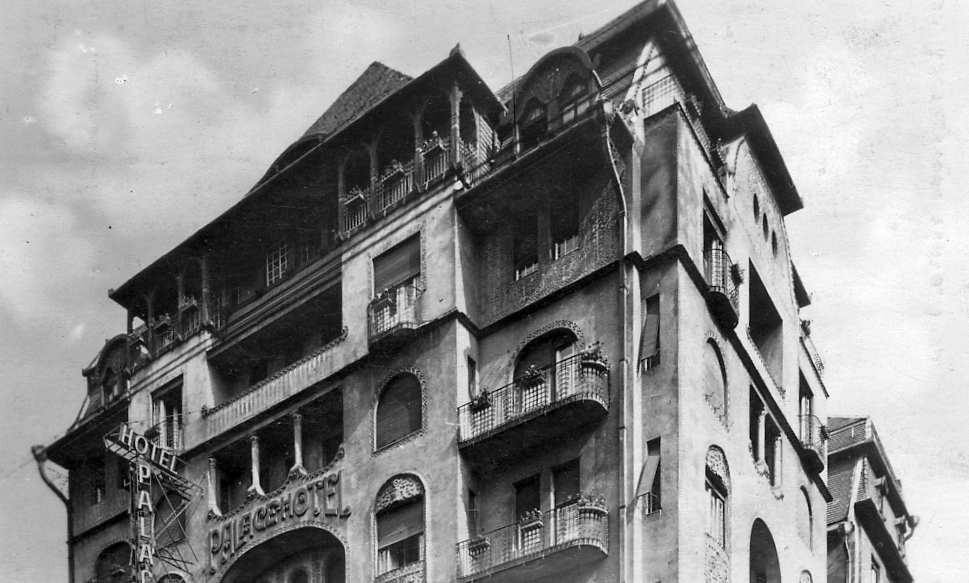
Any socialite of the early 20th century knew that relevance in the circles of high society meant showing up, being seen, and being known. As much as balls and dinner parties were occasions to make an appearance, so was travel. In the early 1910s, a New York City, NY, socialite might have spent the summer in Newport, RI, visited the hot springs of Virginia, and sailed to Europe, taking a room in Badrutt’s Palace Hotel, St. Moritz (Switzerland). But when World War I broke out, Europe became a war zone and American travel there was radically transformed.
This project lets you trace how this transformation is reflected in the pages of Town Topics via multiple interactive maps about hoteld ads and travel routes.
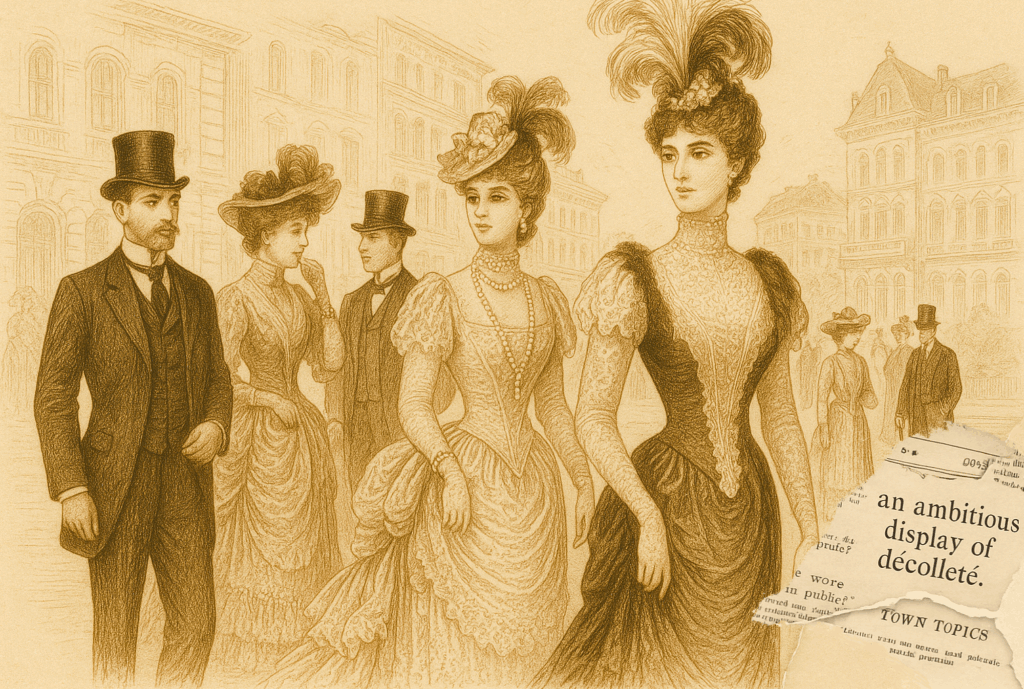
created with ChatGPT via the prompt Concept for homepage image of elite society late 1800s, landscape, light colors, Gilded Age style illustration (like old Harper‘s Bazaar fashion plates)
Hemlines & Headlines
Step into the stylish (and cutthroat) world of Town Topics, a New York society magazine that turned gossip into social regulation. Behind its witty tone and polished phrasing was a sharp eye for missteps, especially regarding how the wealthy dressed and broke unspoken rules. In the Gilded Age, fashion was used to signal status, and it quickly became a tool for policing society. Using theories from Maureen E. Montgomery’s Displaying Women and Thorstein Veblen’s Conspicuous Consumption, the collection, in the style of an online tabloid or magazine, looks at how Town Topics both reflected and reinforced class expectations in the Gilded Age, especially for women. Because in this world, fashion could make or break someone.
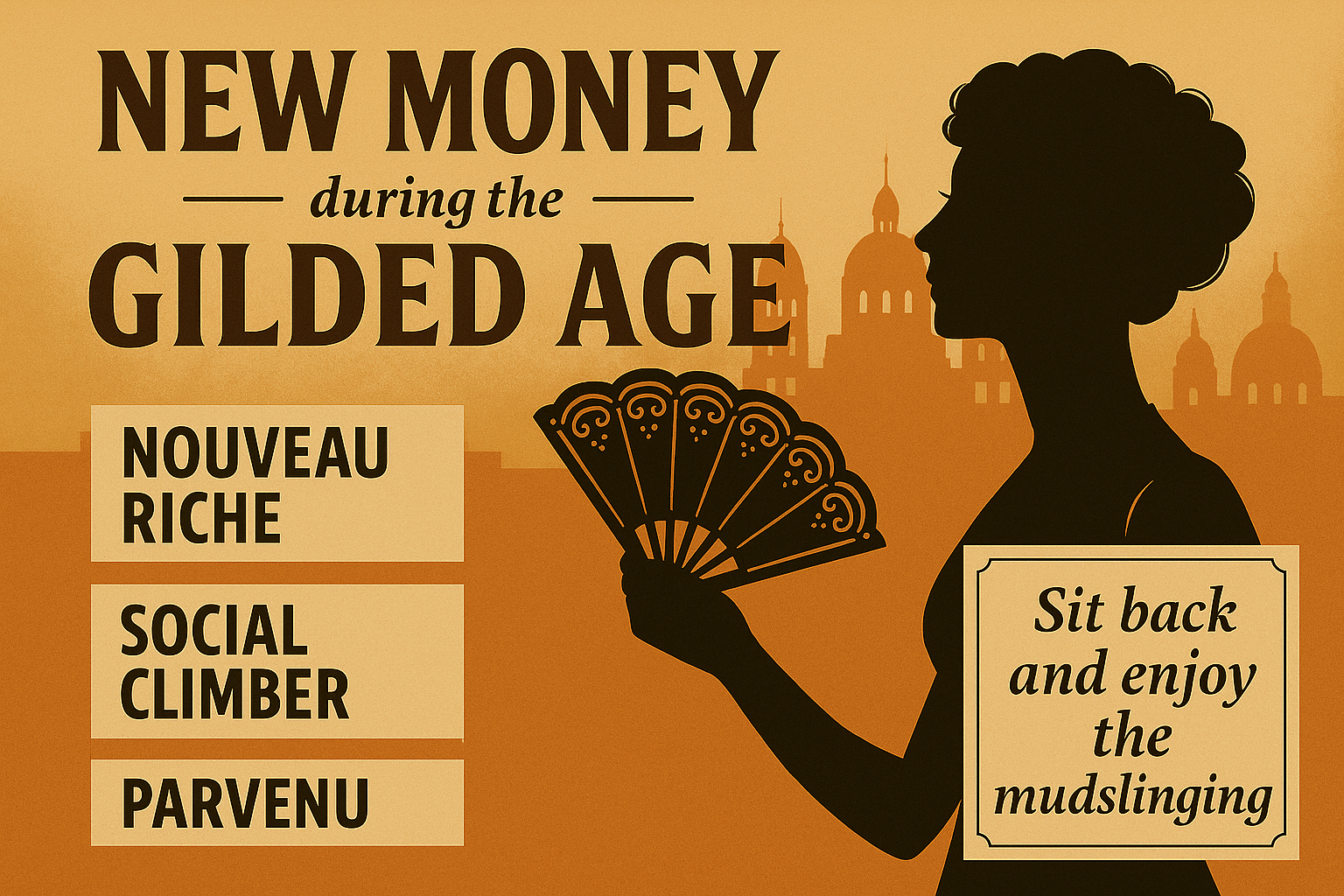
created with ChatGPT via the promt create a picture that fits the description
New Money during the Gilded Age
During industrialization, many people who had become wealthy through their investments in the economic sector, for example, factory work or the railroad business, moved to the cities. In these families, where the men often took care of business matters, the women frequently tried to make a name for themselves in high society and become part of the social upper class. If there was one thing other than work that New York’s elite 400 hated, it was the nouveau riche, who wanted to buy their way into high society, without family name, status, titles, or any sense of class, education, or taste. THE gossip magazine of its time, Town Topics, naturally did its best to ridicule the nouveau riche class. The terms “nouveau riche,” “social climber,” and “parvenu” have been repeatedly mentioned in Town Topics in connection with snappy comments and jokes on behalf of the nouveau riche. Let’s look at these very comments and jokes. Sit back and enjoy the mudslinging.