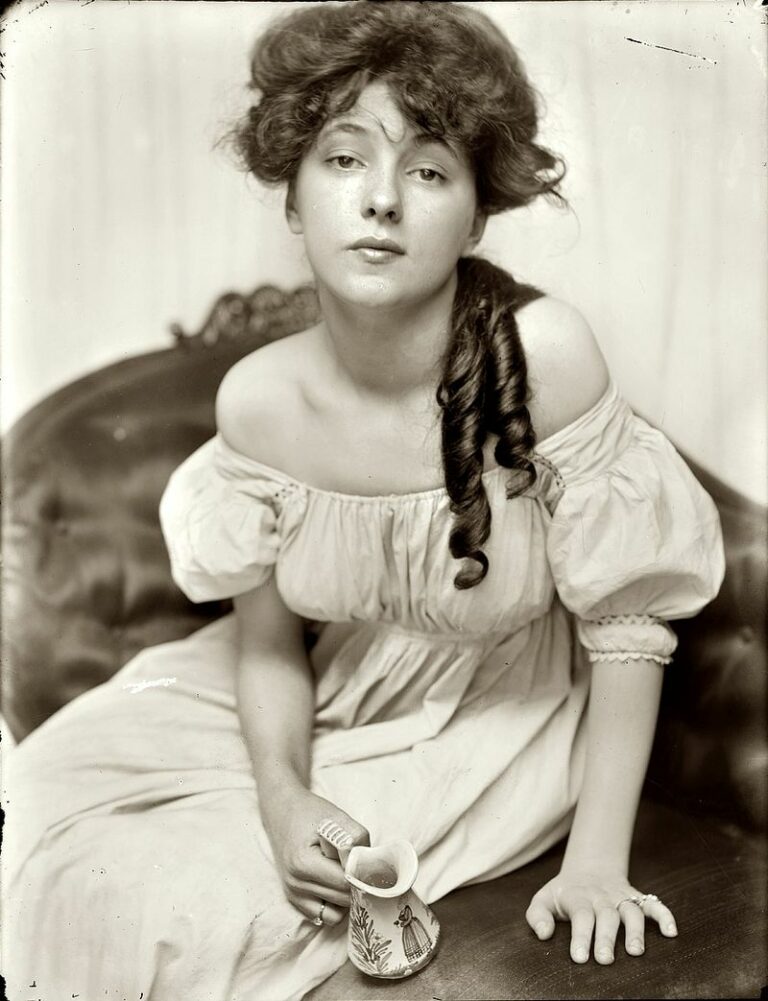
Wikipedia, https://de.wikipedia.org/wiki/Evelyn_Nesbit#/media/ Datei:NesbitKasebier.jpg

Framing Evelyn Nesbit: Gossip, Gender, and Scandal in Town Topics

This digital project explores the media representation of Evelyn Nesbit, an artist’s model, performer, and central figure in one of the most sensational scandals of the early 20th century, as portrayed in the American society magazine Town Topics.

Spanning the years 1905 to 1922, my project analyzes how Nesbit’s public image evolved before, during, and after the murder trial of her husband, Harry K. Thaw. Through Town Topics’ gossip columns, she was cast in a range of roles: the scandalous bride, the tragic victim, the ambitious performer, and ultimately a fading symbol of notoriety. With my digital timeline it highlights key articles, quotes, and shifts in tone to show how gender, class, and morality were negotiated through scandal journalism.

This project invites readers to critically examine how early celebrity culture in the United States of America used gossip not only to entertain but also to enforce societal norms and how one woman’s story was told and retold to reflect those anxieties.

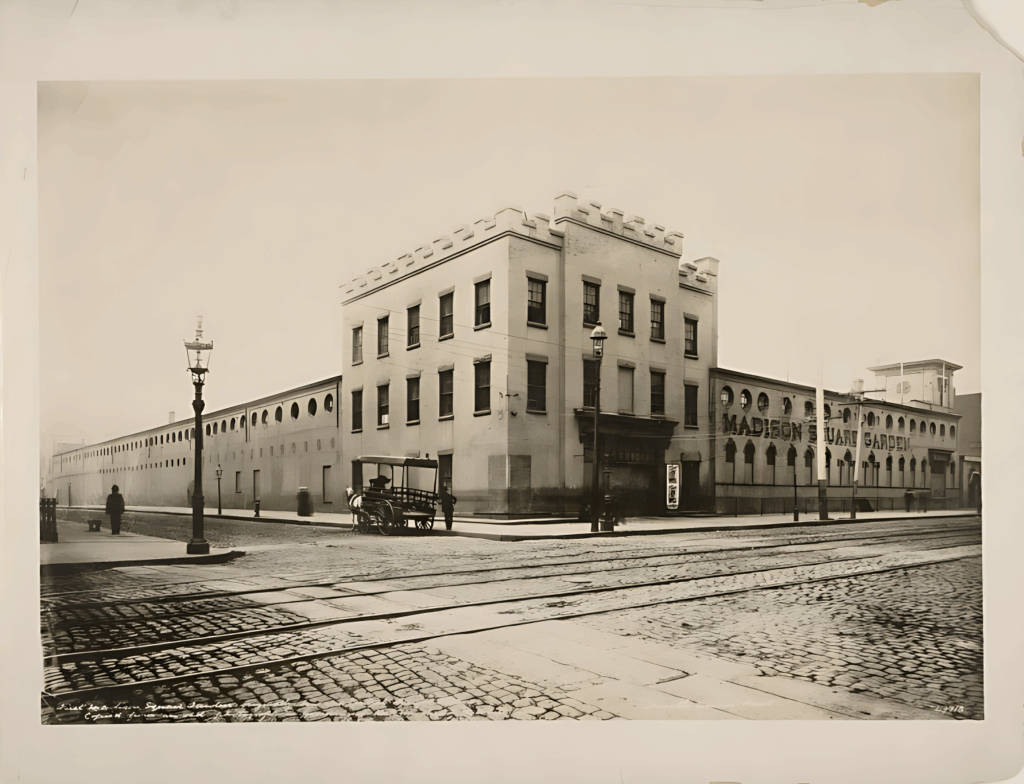
The New York Public Library. "Fourth Avenue front". Irma and Paul Milstein Division of United States History. https://digitalcollections.nypl.org/items/6892b0c0-c6cc-012f-411b-58d385a7bc34

Harry Thaw: Rich and Murderous

Harry Kendall Thaw, a rich and troubled individual, made national headlines when he shot architect Stanford White in what became known as “the murder of the century.” But starting long before the infamous murder trial, Harry Thaw had already drawn the eye of the press with a string of scandals which earned him a growing reputation—and a steady presence in the periodicals Town Topics and The New York Times. These two publications played a key role in shaping Thaw’s public image with both different but also at times overlapping portrayals of his character. This project explores the descriptive language used by Town Topics and The New York Times to construct—and reconstruct—Harry Thaw’s public image over time. By analyzing and visualizing the most frequently used descriptors from each magazine, it becomes clear how language shaped the narrative around Thaw.
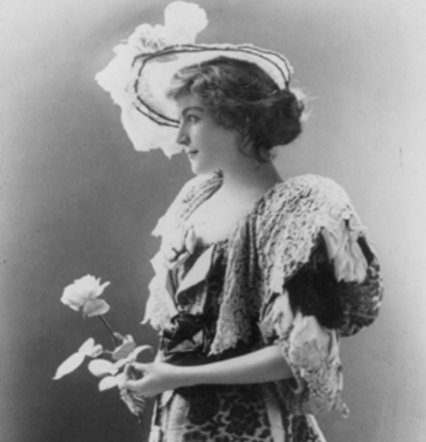
Library of Congress Prints and Photographs Division. B. J. Falk, photographer. Cora (Urquhart) Potter. https://www.loc.gov/item/2002698427/

Early forms of celebrity culture and parasocial relationships: The Case of Cora Potter


Parasocial relationships and celebrity culture are now an integral part of our media consumption society. But how did it come to be that, as a society, we developed such a fascination with media figures and public personalities—and beyond that, one-sided relationships with them, to the point where people feel as though they have a kind of friendship with individuals they don’t actually know?

This development began in the late 19th century, when people of public interest started to be featured in print media. The following project explores the concepts of parasocial interaction and parasocial relationships, as well as the origins of celebrity culture. To connect these ideas and build a bridge to the 21st century, you are invited to explore a fan account for Cora Potter, an 18th-century celebrity.


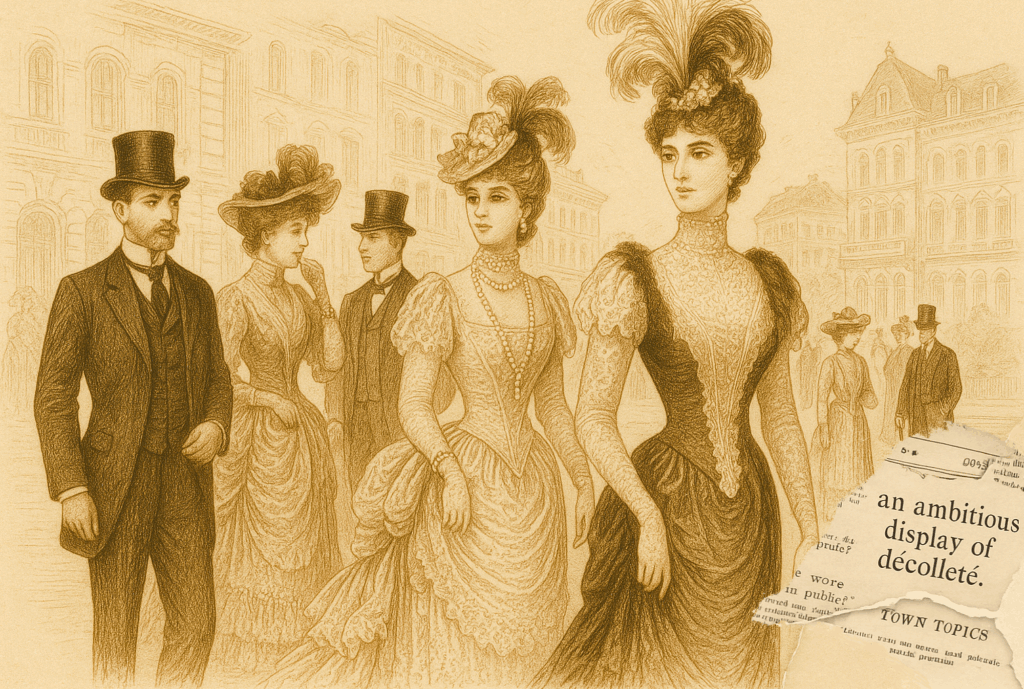
created with ChatGPT via the prompt Concept for homepage image of elite society late 1800s, landscape, light colors, Gilded Age style illustration (like old Harper‘s Bazaar fashion plates)

Hemlines & Headlines

Step into the stylish (and cutthroat) world of Town Topics, a New York society magazine that turned gossip into social regulation. Behind its witty tone and polished phrasing was a sharp eye for missteps, especially regarding how the wealthy dressed and broke unspoken rules. In the Gilded Age, fashion was used to signal status, and it quickly became a tool for policing society.
Using theories from Maureen E. Montgomery’s Displaying Women and Thorstein Veblen’s Conspicuous Consumption, the collection, in the style of an online tabloid or magazine, looks at how Town Topics both reflected and reinforced class expectations in the Gilded Age, especially for women. Because in this world, fashion could make or break someone.

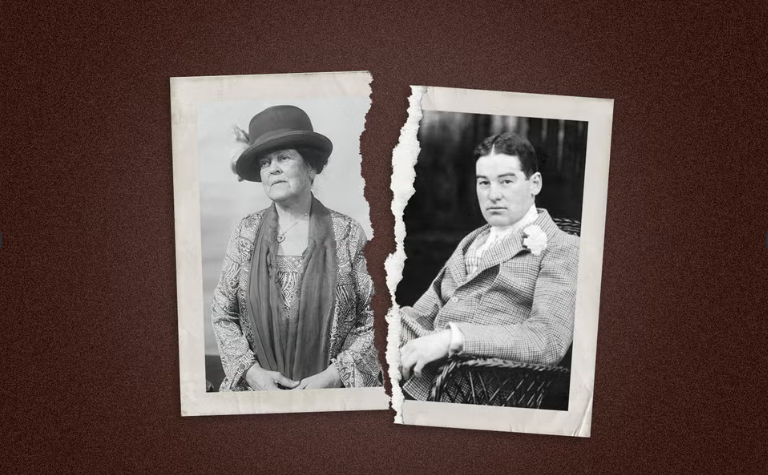
Getty Images. Courtesy newspapers.com. TownandCountryMag.com, https://www.townandcountrymag.com/society/ money-and-power/a64804460/gilded-age-divorce-scandal-alva-vanderbilt/

Scandal Coverage — Reputation in Town Topics

Broken engagements and divorces offer a unique perspective on how gender and morality were publicly debated during the Gilded Age. Town Topics didn’t just report on scandals, it also exposed how women were more vulnerable to reputational damage than men. While men often moved on with little consequence, women’s behavior, and visibility were constantly judged. Gossip acted as a kind of social control, reinforcing double standards around respectability, sexuality, reputation, as well as class. My blog explores these patterns through specific scandal cases, showing how Town Topics shaped public perceptions and also enforced social norms.

Alexander, J.W. National Library of Medicine. https://collections.nlm.nih.gov/catalog/nlm:nlmuid-101392816-img.

“The love for the poppy never dies” – The Discussion of Opium in Town Topics

A divisive topic throughout the 19th and 20th century, the habitual use of opium was as much discussed in New York high society as it was anywhere else. Be it in advertisements for rehabilitation facilities, theater reviews, short stories and poems, or scandals involving the drug—opium gets a mention on Town Topics’ pages again and again. The following timeline traces the history and social perception of the drug, specifically in 19th- and 20th-century America and as described in Town Topics, to illustrate the social climate that allowed it to flourish and ultimately be penalized.

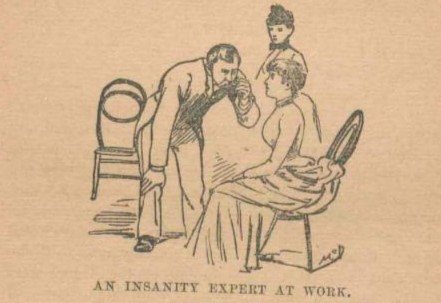
https://archive.org/details/3304680.med.yale.edu/page/n31/mode/2up

Insanity in Town Topics

Charles Deitz in his study ‘A Tomb for the Living’: An Analysis of Late 19th-Century United States Newspaper Reporting on the Insane Asylum demonstrates the role newspapers play in providing the public with information about mental asylums, the problem of stigmatisation and the shift of mental illness from a private matter into the public sphere, “Mental illness evolved from a private/family concern to one of public import over the course of the 19th century” (v). Town Topics: The Journal of Society, provides therefore an example of a somewhat contradicting phenomena where on one hand the language used adds to stigmatisation and marginalisation of mentally ill people, and on the other hand the marginalization occuring in the public sphere integrates the “lunatics” into everyday life of “normal” people. A database of excerpts from Town Topics: The Journal of Society that revolve around the topic of mental illness allows users a glimpse into shifting notions of mental health at the turn of the 20th century. 

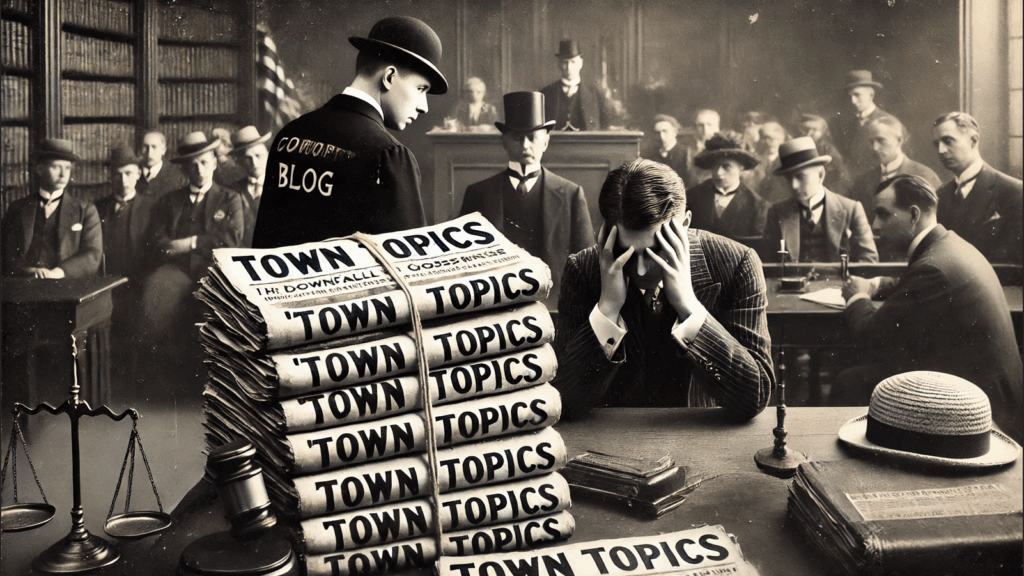
Produced with Generative AI

Town Topics’ Downfall – Significant Libel Cases

Whether there was a secret love affair, another couple that eloped or somebody’s latest fashion faux pas, it was almost certain that one magazine would cover it in their next issue.
Town Topics: The Journal of Society was a notorious gossip magazine, known for its salacious coverage of high society and scandalous gossip columns. The magazine became infamous for its unethical practices, particularly blackmail and libel. This project investigates how a series of legal challenges, centered around libel and blackmail cases, led to the magazine’s downfall in 1937. This blog will focus on telling the most interesting parts of the story (embedded with juicy receipts), beginning with the Edwin Post blackmail case in 1905, which exposed the magazine’s corrupt practices and set the stage for its eventual collapse.

All content for educational purposes only.

University of Greifswald

Seminar: Editing Scandal
(Summer Semester 2025)

Instructor: Prof. Dr. Katrin Horn