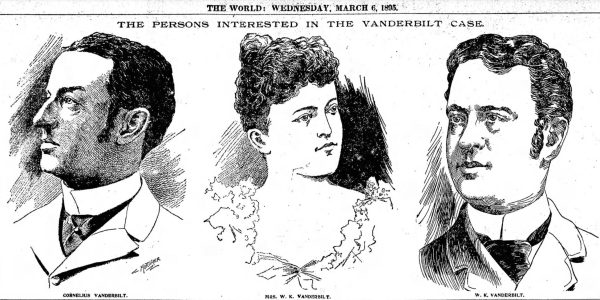
What triggered gossip could be anything that violated a shared norm or something most people agreed was just scandalous. In those cases, the gossip didn’t need much commentary because the act spoke for itself (Merry, 288). And often, the consequences weren’t just personal. The shame or dishonor could extend to an entire family, especially if a woman’s behavior was considered sexually inappropriate (Merry, 284–285). In a way, gossip was a quiet but very effective form of control.
Elites set the standards for the rest of society, with their manner of life and behavior serving as a model others try to imitate (Veblen, 85). Their public display of wealth and reputation became benchmarks for social worth. Gossip about divorces, scandals, or even dresses functioned as a form of surveillance, which monitored how well elites maintained this performance of status.
Women acted as “vicarious consumers” for elite men by displaying their husbands’ wealth through fashion, beauty, or just leisure activities (Veblen, 83). Women’s public appearance could both empower them and make them vulnerable to gossip (Montgomery, 4).
Town Topics highlighted the “competitive display” of reputability, which turned private failures into public spectacles that shaped the broader norms of class, and also gender (Veblen, 96).
In the Gilded Age, women were starting to take up more space literally and socially. They were riding bikes, going out, and wearing more modern clothes, these were ways of stepping out of the background and being seen. That visibility gave them a kind of power. But it also made them targets. Town Topics picked up on that. Its “Saunterings” column called people out by name and often turned their public life into a form of punishment. Women who were visible in public were framed as morally suspect. If even “respectable” women were acting too modern, then somehow all women were questionable (Montgomery, 4). So visibility became a risk. Public women were often turned into symbols: watched, judged, and flattened into stereotypes (Montgomery, 118). Being seen meant being vulnerable. What looked like freedom could just as easily become fuel for gossip.