Selling Status
The Project
This project examines the evolution of advertising in the magazine Town Topics between 1887 and 1906, focusing on content, volume, and placement, to reveal how ads reflected and reinforced social values, status behaviors, and consumer culture during the Gilded Age. The project presents advertisements as cultural documents that illustrate broader societal shifts in consumption, identity, and media representation. It reframes advertisements as essential components of the magazine’s cultural work. While Town Topics is often analyzed for its blend of gossip, literature, and moral ambiguity, its advertisements reveal a parallel narrative: one of aspirational consumerism and coded social messaging. Through its analysis of ad content, volume, and visual design from 1887 to 1906, the project uncovers how consumer culture was edited to conceal scandal, recasting consumption as a seamless performance of social legitimacy. Ads both supported and mirrored the magazine’s editorial tone, promoting distinction, discretion, and display, and thus played a critical role in understanding how Town Topics navigated and shaped Gilded Age ideals of class, gender, and visibility.
Note (Potential Impact):
This project was carried out as an individual effort. As a result, minor oversights or inadvertent errors may occur. Furthermore, the analysis is based on an underlying database that is partially incomplete and contains some corrupted entries. This may lead to gaps or inconsistencies in the recorded issues. Also, “Ad No.” denotes a classification number assigned as part of my systematic categorization of the advertisement corpus and functions as a consistent identifier for specific ads referenced in the analysis. This may appear either in the form of “Ad” followed by the number, or simply as the number alone, both referring to the same system of identification.
The Approach
The project employs a comparative, diachronic approach by selecting one issue of Town Topics per year and systematically analyzing the advertisements within it. The advertisements are divided into twelve categories, each reflecting specific themes. Finance includes banking, investment, and stock-related services, aiming to convey trust and expertise. Entertainment covers magazines, books, and theater, focusing on culture and audience engagement. Medicine/Health features remedies and tonics, often endorsed by doctors and promising health benefits. Cosmetics/Wellness promotes beauty and self-care products like creams and hair treatments. Luxury goods highlight fashion, accessories, and art, emphasizing exclusivity and status. Luxury foods advertise champagne, cigars, and fine spirits, linking taste with prestige. Service includes personal services such as dinner events or writing invitations, often targeting an elite clientele. Travel/Transport markets hotels, trains, and exotic destinations, promising comfort and adventure. Communication/Technology introduces innovations like telephones or directories, associated with modernity. Groceries refer to everyday food items, stressing quality and health. Real Estate promotes high-end accommodation and locations. Lastly, Others is a miscellaneous group for ads that don’t fit the above, such as furniture or stationery, often presented in a practical tone.
Drawing on Thorstein Veblen’s theory of conspicuous consumption, it examines how luxury, leisure, and class distinction were marketed to an elite readership, emphasizing the role of social prestige and public display as key mechanisms through which economic status was communicated (Veblen 1899, pp. 75–77). Each ad is documented, categorized, and tagged using a structured metadata schema (e.g., product type, category, tone, style). The analysis focuses on changes in content, volume, and placement, while also interpreting how these ads reflect class values and patterns of conspicuous consumption.
The Evolution of Advertising in Town Topics, 1887–1906
1887 - 1890
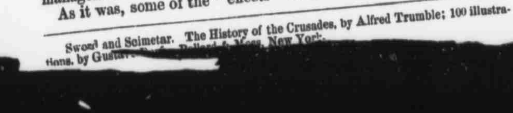
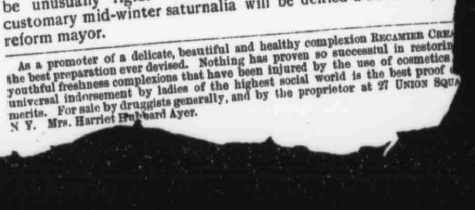
Advertising in Town Topics becomes increasingly self-assured, visual, and socially targeted between 1887 and 1906, shifting from neutral product information to strategic signaling of status and desirability. Among the 40 analyzed ads, the most represented categories are Medicine/Health, Finance, and Cosmetics/Wellness. These ads reflect a growing emphasis on branding, emotional appeal, and social distinction. For example, Ad No. 6 for Recamier Cream (TT, V. 1, 1887, p. 2) frames beauty as a privilege of the elite, endorsed by “the highest society,” and its repeated presence suggests an early form of brand advertising. Ad No. 13 Kinney Bros. Cigarettes (TT, V. 1, 1888, p. 6) evokes exclusivity through phrases like “club size” and “special curing,” aligning with Veblen’s notion of conspicuous consumption. Visual impact begins to outweigh pure information, as seen in Ad No. 5 Sword and Scimetar (TT, V. 1, 1887, p. 8), which promotes a book through its 100 illustrations, and Ad No. 3 Angostura Bitters (TT, V. 1, 1887, unpaginated), which pairs medicinal claims with warnings against counterfeits — establishing urgency, trust, and early psychological persuasion. From 1888 onward, luxury emerges as a dominant theme: Ad No. 19 Louis Roederer Champagne (TT, V. 1, 1888, p. 3) appears multiple times, linking prestige with club culture, while Ad No. 22 Veuve Clicquot (TT, V. 1, 1888, p. 1) adds a health angle to its luxury image, merging exclusivity with broader appeal.




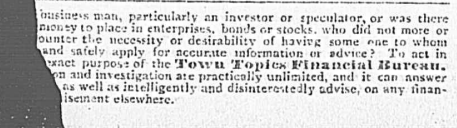
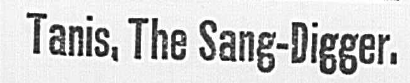
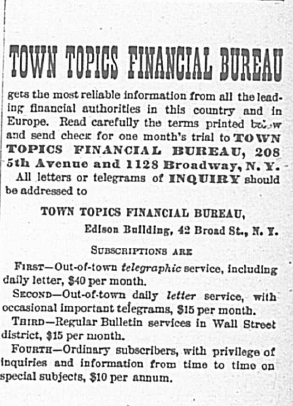
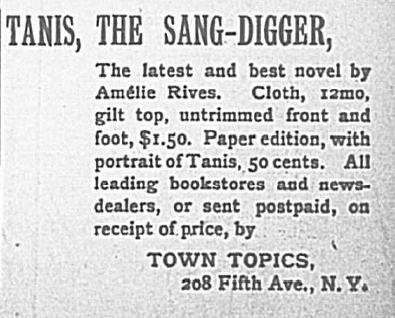
As Town Topics evolved, advertising shifted from a respectable middle-class tone to a more socially differentiating rhetoric, marked by repetition, emotional appeal, and cultural validation. The magazine itself became an active force in shaping consumer identity, using increasingly professionalized strategies. Ads No. 41–45 for Town Topics Financial Bureau (TT, V. 1, 1891, p. 2; unpaginated) exemplifies early campaign logic, presenting a coordinated sequence that builds institutional authority through phrases like “direct advisor” and “two years old.” Similarly, Ads No. 49, 50 and 54 Lyon Umbrellas (TT, V. 1, 1891, p. 1 & unpaginated; TT, V. 1, 1892, p. 3) repeatedly emphasize branding and authenticity, demonstrating early brand consistency. Self-promotion within Town Topics also adopted a rhetoric of exclusivity: Ad No. 89 (TT, V. 1, 1893, p. 9) positions the magazine as read by the “best people.” At the same time, Ads No. 80 (TT, V. 1, 1893, p. 13) and 128 (TT, V. 1, 1894, p. 1) promote club-style offers, combining financial value with social belonging. Additionally, cultural crossovers are strategically used to elevate both product and publication. The novel Tanis by Amélie Rives appears in multiple ads, e.g. Nos. 110 (TT, V. 1, 1894, p. 6), 122 (TT, V. 1, 1894, p. 11) and 132 (TT, V. 1, 1894, p. 6), supported by literary quotations and repetition, a clear example of cross-media marketing and cultural branding.











1891-1894
1895 - 1898
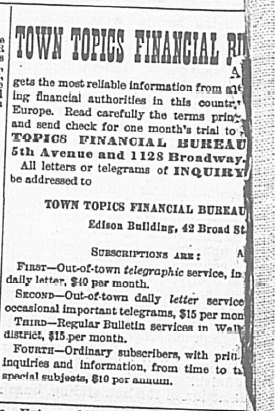
Advertising in Town Topics becomes increasingly professional and modern, reflecting a broader cultural shift toward lifestyle-oriented consumption. Brands like Pozzoni’s and Eugénie employ strategies of urgency, exclusivity, and social signaling to build recognition and desire. The ad market expands to include modern domains such as travel, fashion, and wellness, aligning with evolving notions of mobility and self-care. Sales psychology becomes more sophisticated: Ad No. 205 (TT, V. 1, 1896, p. 6), No. 327 (TT, V. 1, 1898, p. 14), and No. 335 (TT, V. 1, 1898, unpaginated) use artificial scarcity and time-limited offers to prompt immediate action. Targeting also becomes more precise, with segmented appeals tailored to specific audiences, as seen in Ad No. 146 (TT, V. 1, 1895, pp. 11) and No. 153 Town Topics Financial Bureau (TT, V. 1, 1895, pp. 8), which speak directly to financially ambitious investors.

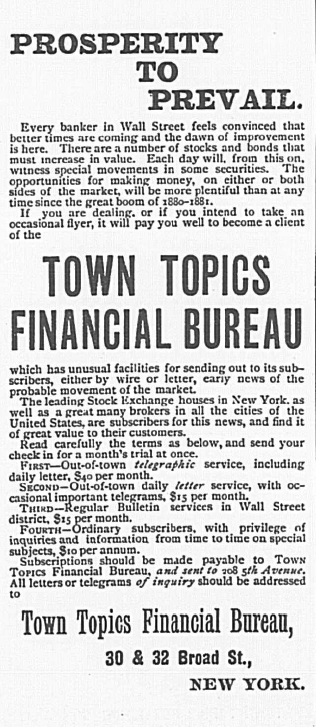
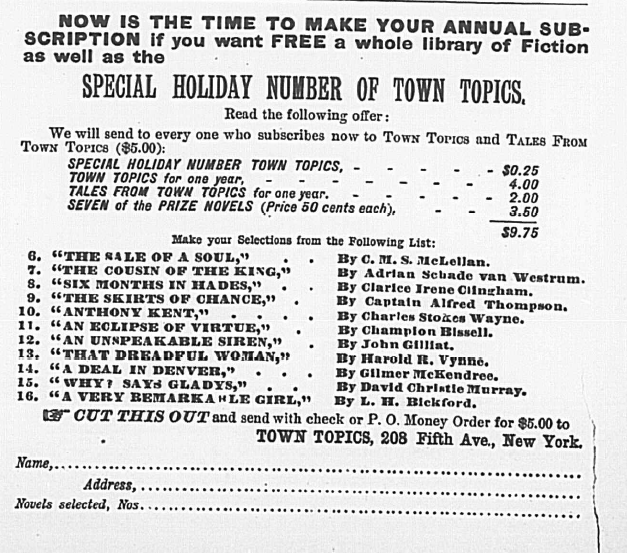

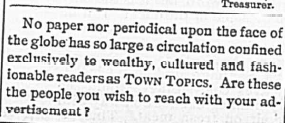
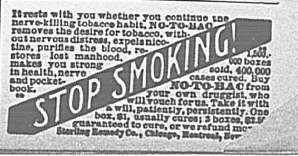
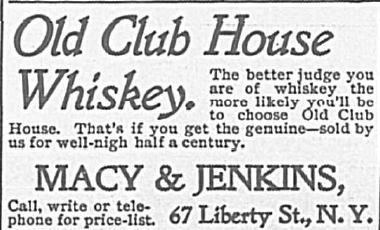
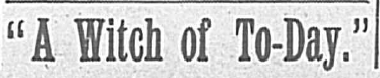
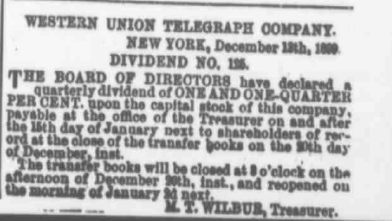
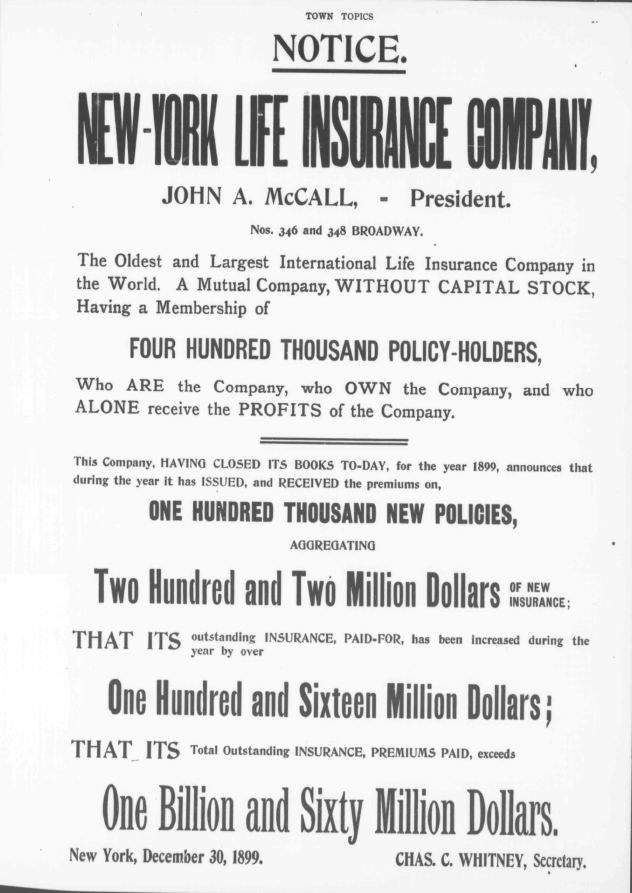
Building on changes already underway in earlier years, advertising in Town Topics grows more modern, brand-focused, and visually polished, reinforcing and redefining ideas of class, taste, and aspirational identity. Dominant themes such as finance, luxury, and health are frequently tied to national pride and modern sophistication. Financial ads like Nos. 465 (TT, V. 1, 1901, unpaginated), 375 , 415 (TT, V. 1, 1900, p. 19), and 469 (TT, V. 1, 1901, unpaginated) adopt a concise, legalistic tone in Wall Street jargon, while No. 432 New York Life Insurance (TT, V. 1, 1900, unpaginated) uses impressive statistics (“$944 Million in force”) to convey institutional trust. Prestige branding is common: Ad No. 373 Jar’s Whisky (TT, V. 1, 1899, p. 21) appeals to aristocratic endorsement, while No. 372 Trimble (TT, V. 1, 1899, p. 1) and No. 376 highlight exclusivity and the elite readership of Town Topics. The rise of slogan-driven, visually bold campaigns is evident in Nos. 387 NO-TO-BAC (TT, V. 1, 1899, p. 21), which uses emotional language and typographic emphasis, and in No. 393 Old Club House Whiskey (TT, V. 1, 1899, p. 23), where tradition becomes a core brand value. Meanwhile, ads like Nos. 403 Tanis (TT, V. 1, 1899, p. 23), 404 A Witch of To-Day (TT, V. 1, 1899, p. 23), and 402 Hunter Rye (TT, V. 1, 1899, p. 21) adopt literary or intellectual tones, appealing to a cultivated readership and reinforcing the magazine’s dual role as both consumer guide and cultural arbiter.


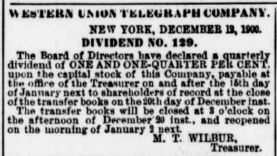

1899-1902
1903 - 1906
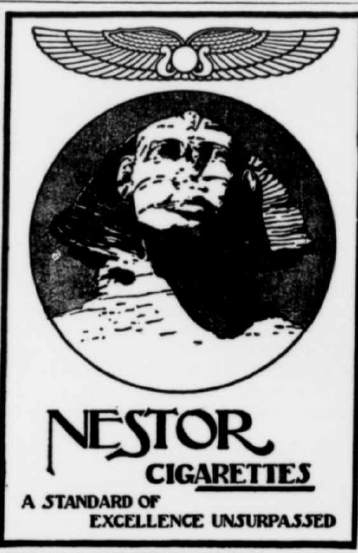
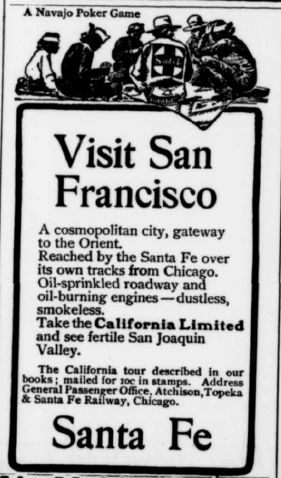
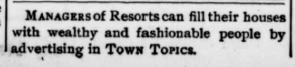
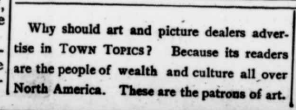
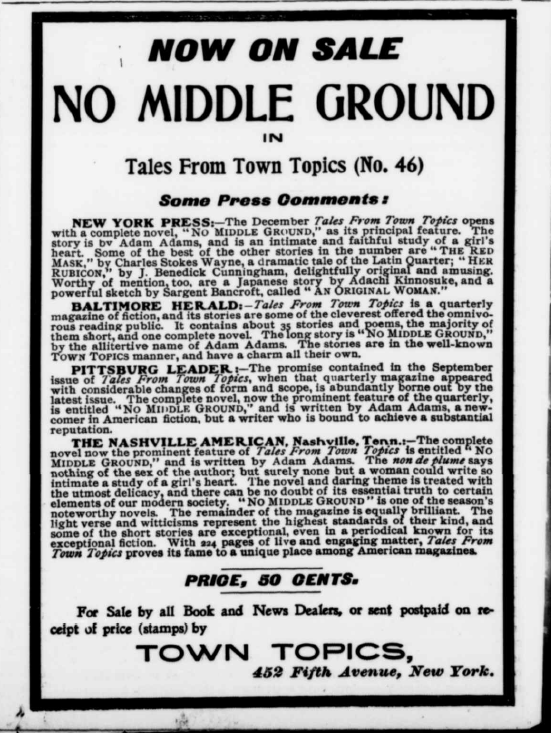
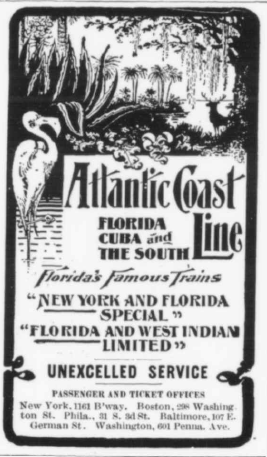
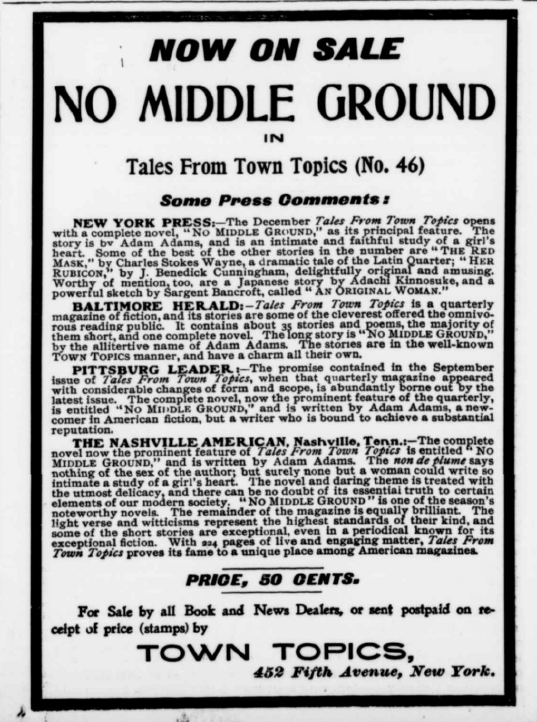
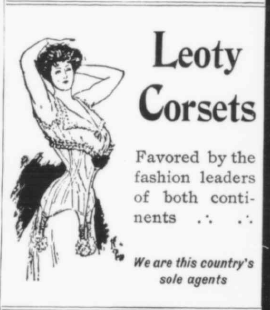
Advertising in Town Topics exhibits increasing segmentation and a strong elite focus, with many ads directly addressing an upper-class readership. Ads No. 554 (“wealthy and fashionable”) (TT, V. 1, 1903, p. 2) , 563 (“people of wealth and culture”) (TT, V. 1, 1903, p. 21; unpaginated), and 621 (“Favored by fashion leaders…”) explicitly tailor their tone to affluent, socially aspirational audiences. Brand consistency and visual identity also gain importance: No. 529 Nestor with Sphinx and No. 507 Ennis & Stoppani use distinct imagery and design to assert recognition, while No. 573 No Middle Ground leverages repetition for lasting visibility. A growing global perspective is evident in ads like No. 548 Santa Fe, 622 Florida’s Famous Trains, and 587 (Gold Lack in “exclusive clubs worldwide”), which frame consumption within a cosmopolitan, internationally conscious context. Language becomes more directive and refined—Ad No. 527 (“Give Trimble Whiskey a Trial”) employs a bold imperative, while No. 525 (Andre: Hair Specialist) and No. 536 (“Used by people of refinement”) rely on testimonials and social validation to link product use with cultivated identity.




Social Norms
Advertising between 1887 and 1906 also reflected and reinforced social expectations, particularly around gender and morality. Women appear as embodiments of beauty, purity, and domestic grace—as seen in ad 6 Recamier Cream (TT, V. 1, 1887, p. 2) or Eugénie’s fashion shown in ads 424 (TT, V. 1, 1900, p. 2) and 578 (TT, V. 1, 1904, p. 2) . These portrayals support Veblen’s idea of women as symbolic extensions of male respectability. By contrast, men are depicted as connoisseurs, investors, or heads of households in whiskey ads, such as ad 527 Trimble (TT, V. 1, 1903, p. 1), or finance offers, e.g., ad 375 Town Topics Bureau (TT, V. 1, 1899, p. Health ads reinforce moral norms: female beauty is linked to purity and motherhood e.g., ad 441 Cuticura (TT, V. 1, 1900, p. 2), ad 618 Vin Mariani (TT, V. 1, 1904, p. 2), while investing suggests discipline and foresight e.g., ad 488 (TT, V. 1, 1902, p. 2) (Knight 49–50). Urbanization, consumer expansion, and a rising middle class drive this dynamic. Real estate, travel, and luxury consumption become new arenas for distinction. Financial ads, in particular, suggest that wealth can be transformed into visibility through savvy decisions.
In this world, consumption must be seen to count. It’s not enough to have purchasing power; one must perform it. As Veblen shows, “conspicuous consumption” defines modern social belonging. The rhetoric of ads-“Used by society leaders” or “Are you fashionable?”-does more than sell products: it sells entrance into a visible, aspirational class.
Consumer Behavior
Advertising during this period was not merely persuasive but socially codified. It offered readers aspirational scripts of elite belonging. In Veblen’s terms, objects are acquired not primarily for function but as visible signs of rank (Veblen 49–55).
Luxury goods, e.g. ad 494 Ruinart (TT, V. 1, 1902, p. 2), ad 575 Mumm (TT, V. 1, 1904, p. 2), ad 632 Pol Roger (TT, V. 1, 1905, p. 2), ads 424 (TT, V. 1, 1900, p. 2) and 578 (TT, V. 1, 1904, p. 2) Eugénie, or ad 574 Hotel Chamberlin (TT, V. 1, 1904, p. 2), embed products in social narratives. These ads sell not things but lifestyles: to consume is to belong. Design also reflects this logic. Premium ad placement, rich visuals, and repetition signal prestige. What is most visible is perceived as most valuable. Importantly, vicarious consumption appears repeatedly: women’s elegance, through beauty products or fashion, reflects male status. Ads for women are often veiled messages about their husbands’ position. As Rob Schorman notes, advertising around 1900 established visual standards for taste and belonging (Schorman 27–31), while Daniel Navon shows how brands used aesthetics and loyalty to make consumption socially legible (Navon 289–294).
Expression of Status
In the late 19th and early 20th centuries, advertising evolved from basic information to a medium of social distinction (Walker 14). Ads in Town Topics exemplify symbolic displays of status, luxury, and belonging. Following Thorstein Veblen’s theory of “conspicuous consumption” (Veblen 49–55), they emerge as visual and verbal performances of social rank.
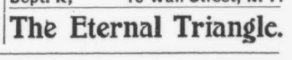
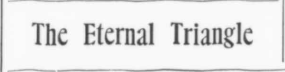
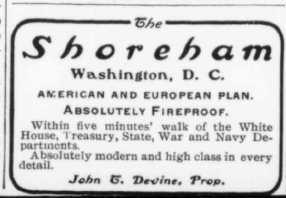
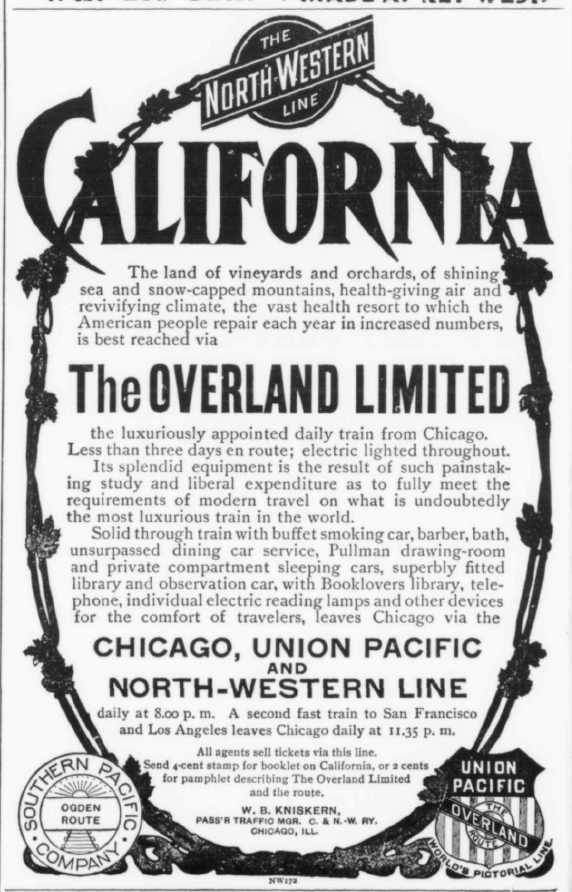
Rather than selling goods for their utility, many ads for champagne, corsets, hotels, or financial services sell cultural superiority. For instance, Champagne ads like 111 (TT, V. 1, 1894, p.6) and 575 (TT, V. 1, 1904, p.7) appear “on the tables of the better classes”, epitomizing Veblen’s idea of status-driven consumption. Similarly, Eugénie like ads 424 (TT, V. 1, 1900, p.5), 578 (TT, V. 1, 1904, p.8) and Leoty Corsets , ad 621 (TT, V. 1, 1904, unpaginated), use phrases like “correct costume for Southern climate” to place themselves within elite social settings. Luxury travel, e.g., ad 625 The Overland Limited (TT, V. 1, 1904, p.25) and hotels near political landmarks, e.g., ad 623 Shoreham Hotel (TT, V. 1, 1904, unpaginated) also function as signs of temporal and social freedom, key aspects of Veblenian leisure class behavior (Veblen 74–75). Ad layout reinforces these signals: placement on prominent pages, elaborate typography, or repetition, e.g., No Middle Ground ads 539 (TT, V. 1, 1903, p.18), 570 (TT, V. 1, 1903, p.20) 573 (TT, V. 1, 1903, p.21); The Eternal Triangle, ads 590 (TT, V. 1, 1904, p.23), 602 (TT, V. 1, 1904, p.24), 617 (TT, V. 1, 1904, p.25), 624 (TT, V. 1, 1904, p.26), builds prestige and memorability.
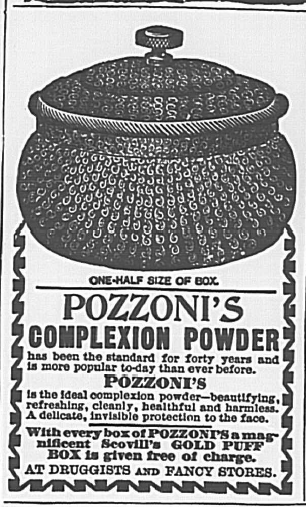
A subtler aspect of Veblen’s theory, vicarious consumption, is also present: women’s use of cosmetics like ad 277 Pozzoni’s Powder (TT, V. 1, 1896, unpaginated) or fashion like ad 217 Hilton, Hughes & Co. (TT, V. 1, 1896, p.12) reflects the status of the male provider. These products are aimed at women but signify male affluence and taste. Cultural refinement, through grooming, literature, or luxury, becomes a performance often mediated by female appearance.









By Josefin Hagen
I want to thank the anonymous reviewer for their helpful feedback, and Josephine Vietze for her editorial support.

All content for educational purposes only.
University of Greifswald
Seminar: Editing Scandal
(Summer Semester 2025)
Instructor: Prof. Dr. Katrin Horn